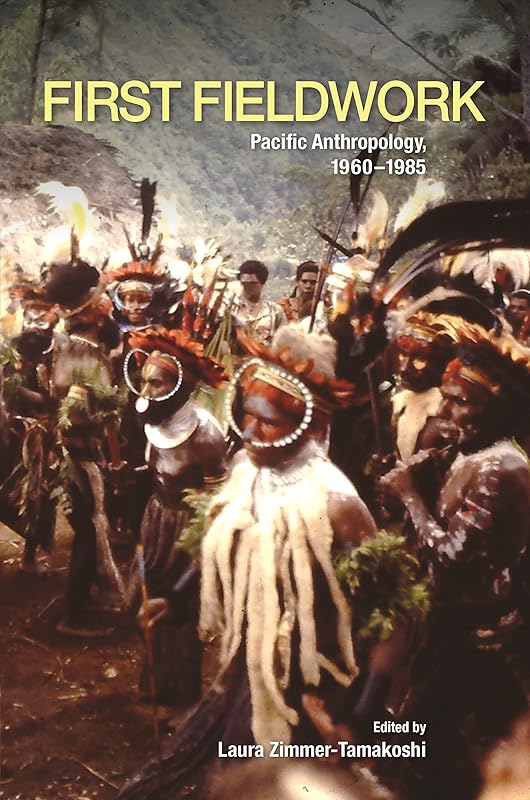
First Fieldwork: Pacific Anthropology, 1960–1985 by Zimmer-Tamakoshi

First Fieldwork: Pacific Anthropology, 1960–1985

Zimmer-Tamakoshi
262 pages
University of Hawaii Press
Jul 2020
Paperback
History WSBN
0
Readers
0
Reviews
0
Discussions
0
Quotes
First Fieldwork: Pacific Anthropology, 1960-1985 explores what a generation of anthropologists experienced during their first visits to the field at a time of momentous political changes in Pacific island countries and societies and in anthropology itself. Answering some of the same how and why questions found in Terence E. Hays' Ethnographic Presents: Pioneering Anthropologists in the Papua New Guinea Highlands (1993) , First Fieldwork begins where that collection left off in the 1950s and covers a broader selection of Pacific Islands societies and topics. Chapters range from candid reflections on working with little-known peoples to reflexive analyses of adapting research projects and field sites, in order to better fit local politics and concerns. Included in these accounts are the often harsh emotional and logistical demands placed on fieldworkers and interlocutors as they attempt the work of connecting and achieving mutual understandings. Evident throughout is the conviction that fieldwork and what we learn from and write about it are necessary to a robust anthropology. By demystifying a phase begun in the mid-1980s when critics considered attempts to describe fieldwork and its relation to ethnography as inevitably biased representations of the unknowable truth, First Fieldwork contributes to a renewed interest in experiential and theoretical nuances of fieldwork.. Looking back on the richest of fieldwork experiences, the contributors uncover essential structures and challenges of fieldwork: connection, context, and change. What they find is that building relationships and having others include you in their lives (once referred to as "achieving rapport") is determined as much by our subjects as by ourselves. As they examine connections made or attempted during first fieldwork and bring to bear subsequent understandings and questions - new contexts from which to view and think - about their experiences, the contributors provide readers with multidimensional perspectives on fieldwork and how it continues to inspire anthropological interpretations and commitment. A crucial dimension is change. Each chapter is richly detailed in history: theirs/ours; colonial/postcolonial; and the then and now of theory and practice. While change is ever present, specifics are not. Reflecting back, the authors demonstrate how that specificity defined their experiences and ultimately their ethnographic re/productions.
Join the conversation

No discussions yet. Join BookLovers to start a discussion about this book!

No reviews yet. Join BookLovers to write the first review!

No quotes shared yet. Join BookLovers to share your favorite quotes!

Earn Points
Your voice matters. Every comment, review, and quote earns you reward points redeemable for Bitcoin.
Comment +5 pts Review +20 pts Quote +7 pts Upvote +1 pt
BookMatch Quiz
Find books similar to this one
About this book
Pages 262
Publisher University of Hawaii...
Published 2020
Readers 0