William Blake
William Blake (1757–1827) was an English poet, painter, printmaker, and visionary, renowned for his illuminated books like Songs of Innocence (1789) and Songs of Experience (1794), as well as complex prophetic works such as The First Book of Urizen (1794) and Milton (1804). Largely unrecognized during his lifetime, he earned a meager living as an engraver while experiencing profound visions from childhood that shaped his unique mythology and art. Blake is now a seminal figure in Romantic poetry and visual art.[1][3][5]
Poetry
Romanticism
Prophetic works
Visual art
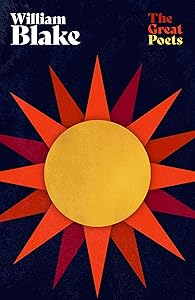
William Blake: The very best poems from one of the most important figures of the Romantic Age (The Great Poets)
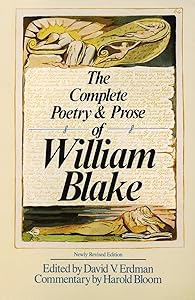
The Complete Poetry & Prose of William Blake
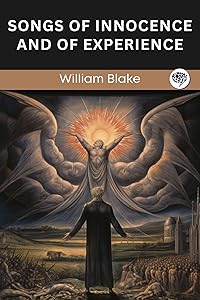
Songs of Innocence and of Experience
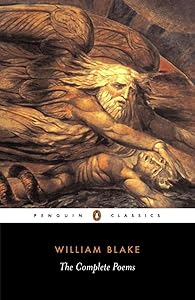
The Complete Poems (Penguin Classics)
Songs of Innocence and of Experience
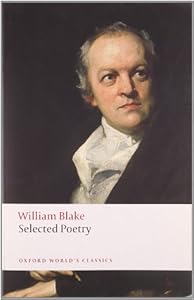
Selected Poetry
Collected Poems (Routledge Classics): Blake: Collected Poems (Routledge Classics)
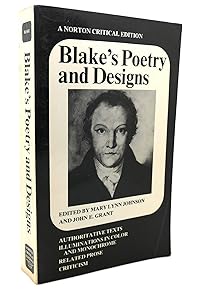
Blake's Poetry and Designs (Norton Critical Edition). Second Edition.
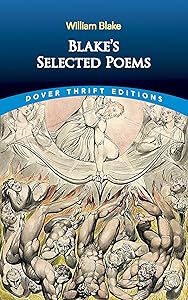
Blake's Selected Poems (Dover Thrift Editions: Poetry)
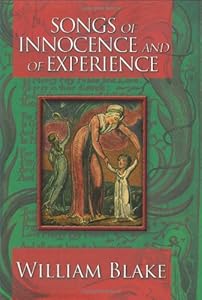
Songs of Innocence and of Experience
The Four Zoas
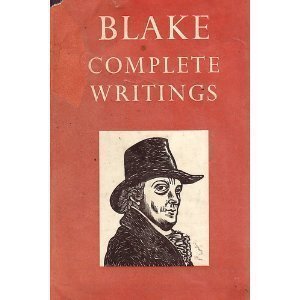
Blake: Complete Writings with Variant Reading
The Poetry Of Trees
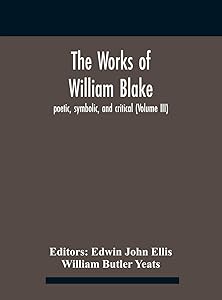
The Works Of William Blake; Poetic, Symbolic, And Critical (Volume Iii)
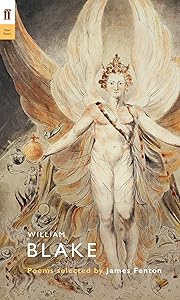
William Blake
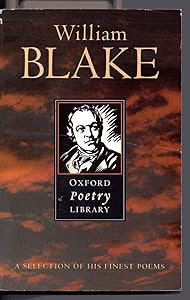
Selected Poetry (Worlds Classics Eighteenth-Century British Literature)
The note-book of William Blake,: Called the Rossetti manuscript