United Nations
The United Nations is an international organization founded on October 24, 1945, to promote international cooperation, maintain peace and security, and address global challenges such as human rights and economic development. It succeeded the League of Nations and comprises 193 member states, with its headquarters in New York City. Key figures include Secretaries-General like Dag Hammarskjöld, U Thant, Kofi Annan, Ban Ki-moon, and the current António Guterres.[4][1][3]
International Relations
Diplomacy
Politics
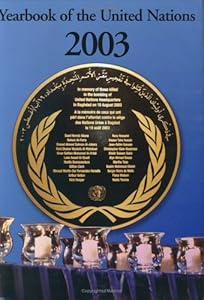
United Nations Yearbook 2003 Vol 57 (Yearbook of the United Nations)
Export Diversification and Economic Growth: The Experience of Selected Least Developed Countries (Development Papers)
International Accounting and Reporting Issues: 2004 Review

Get Connected: E-applications in the Textile and Clothing Sector (Product and Market Development)
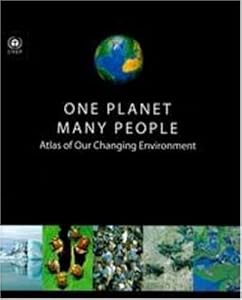
One Planet Many People: Atlas of Our Changing Environment

Environmental Performance Reviews: Ukraine - Second Review (Environmental Performance Reviews Series)

Terminology Bulletin
Aeo for Youth: Africa Environment Outlook for Youth
From Unsustainable to Inclusive Cities
Regional Energy Trends Report 2020: Tracking SDG 7 in the ASEAN Region
International Trade, Transparency, and Gender Equality: The Case of the Pacific Agreement on Closer Economic Relations (PACER) Plus
Indicators of Sustainable Development: Guidelines and Methodologies (Economic & Social Affairs)
Treaties and International Agreements Registered or Filed and Recorded with the Secretariat of the United Nations: v. 1819, 1994 (Treaty)

Process Technologies for Nitrogen Fertilizers
Statistical Yearbook 2011: Fifty-sixth Issue
Statistical Yearbook: Fifty-fifth Issue
Declaration On The Rights of Indigenous Peoples

The Aarhus Convention: An Implementation Guide