Thomas Hobbes
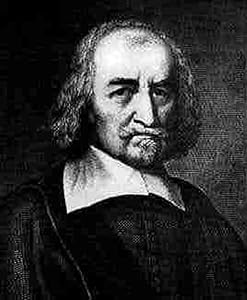
Thomas Hobbes (1588-1679) was an English philosopher, scientist, and historian best known for his 1651 masterpiece *Leviathan*, which expounds social contract theory and justifies strong government authority to prevent societal chaos.[2][3][5] Influenced by the English Civil War and figures like Galileo, he developed a materialist philosophy outlined in his trilogy *De Corpore* (1655), *De Homine* (1658), and *De Cive* (1642).[1][4] In later years, he translated Homer's *Iliad* and *Odyssey* and continued writing on politics and religion.[2][6]
Political Philosophy
Philosophy
Social Contract Theory
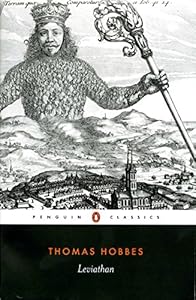
Leviathan

Leviathan
Leviathan
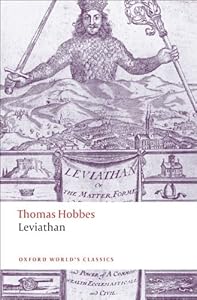
Leviathan (Oxford World's Classics)
Human Nature and De Corpore Politico (Oxford World's Classics) (Pt. 1)
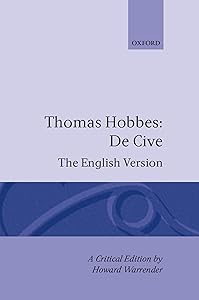
De Cive: The English Version (Clarendon Edition of the Works of Thomas Hobbes)
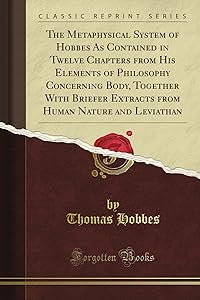
The Metaphysical System of Hobbes As Contained in Twelve Chapters from His Elements of Philosophy Concerning Body, Together With Briefer Extracts from Human Nature and Leviathan (Classic Reprint)
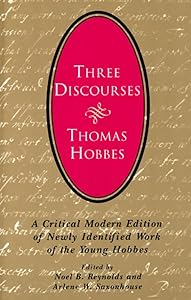
Three Discourses: A Critical Modern Edition of Newly Identified Work of the Young Hobbes
The Elements of Law, Natural, and Politic (Illustrated)

Leviathan - Volume 1: By Thomas Hobbes - Illustrated
LEVIATHAN PART 2