Noam Chomsky
Noam Chomsky is an American linguist, philosopher, and political activist renowned for revolutionizing linguistics with theories on universal grammar and innate language capacity, as detailed in works like Syntactic Structures (1957) and Aspects of the Theory of Syntax (1965).[1][2][3] He challenged behaviorist views, initiating the cognitive revolution in language studies, and became a prominent critic of U.S. foreign policy and media.[1][4][5] Chomsky taught at MIT for decades, retiring as professor emeritus around 2002-2005, while authoring extensively on linguistics, politics, and philosophy.[2][5]
Linguistics
Philosophy
Political Criticism
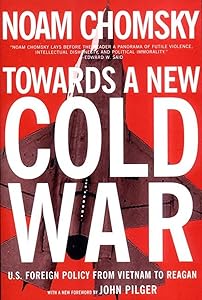
Towards a New Cold War: U.S. Foreign Policy from Vietnam to Reagan
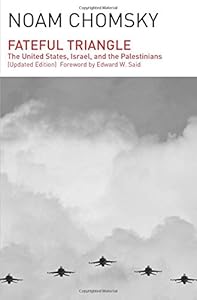
Fateful Triangle: The United States, Israel, and the Palestinians
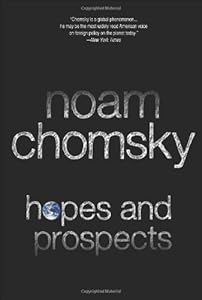
Hopes and Prospects
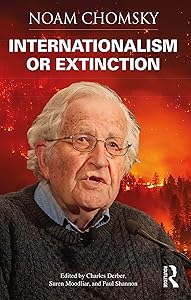
Internationalism or Extinction (Universalizing Resistance)
Culture of Terrorism
9-11: Was There an Alternative?
Nuclear War and Environmental Catastrophe
What We Say Goes: Conversations on U.S. Power in a Changing World
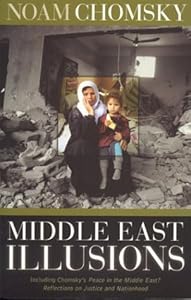
Middle East Illusions: Including Peace in the Middle East? Reflections on Justice and Nationhood
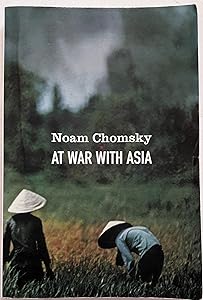
At War With Asia: Essays on Indochina
Failed States: The Abuse of Power and the Assault on Democracy
Interventions (City Lights Open Media)
Rogue States: The Rule of Force in World Affairs
Imperial Ambitions: Conversations on the Post-9/11 World (American Empire Project)
Acts of Aggression: Policing Rogue States (Open Media Series)
Corporate Media and the Threat to Democracy (Open Media Series)
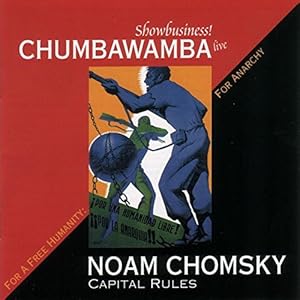
For a Free Humanity; For Anarchy
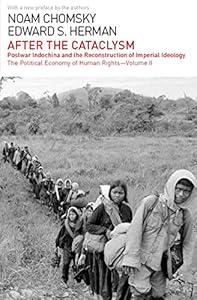
After the Cataclysm: The Political Economy of Human Rights: Volume II
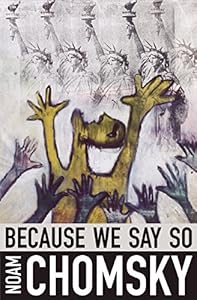
What Kind of Creatures Are We?
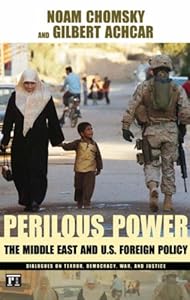
Perilous Power: The Middle East & U.S. Foreign Policy: Dialogues on Terror, Democracy, War, and Justice
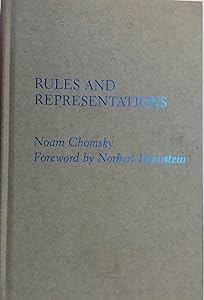
Rules and Representations (Columbia Classics in Philosophy)
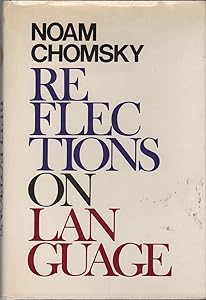
Reflections on language
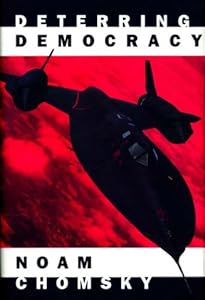
Deterring Democracy
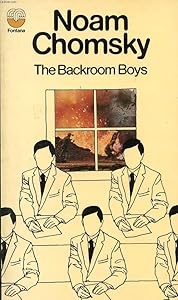
The backroom boys