Nathaniel Hawthorne
Nathaniel Hawthorne (1804–1864) was an American novelist and short story writer, renowned for his mastery of allegory and symbolism in exploring themes of sin, morality, guilt, and the human condition, often set in colonial New England with anti-Puritan undertones.[1][3] Best known for his novels *The Scarlet Letter* (1850) and *The House of the Seven Gables* (1851), as well as short stories like 'Young Goodman Brown,' he graduated from Bowdoin College in 1825 and achieved fame after years of honing his craft in Salem, Massachusetts.[2][6] A descendant of Salem witch trial judges, Hawthorne's works are key to dark romanticism and remain widely studied.[4][3]
Dark Romanticism
Gothic
Romanticism
Historical Fiction
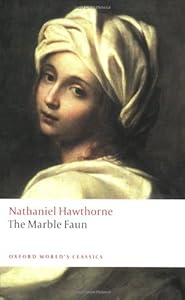
The Marble Faun
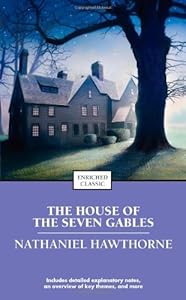
The House of the Seven Gables (Enriched Classics)
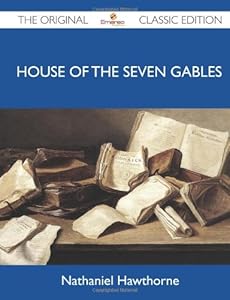
House of the Seven Gables - The Original Classic Edition
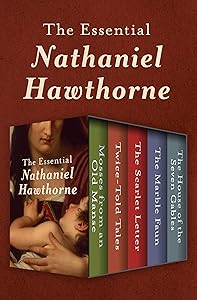
The Essential Nathaniel Hawthorne: Mosses from an Old Manse, Twice-Told Tales, The Scarlet Letter, The Marble Faun, and The House of the Seven Gables
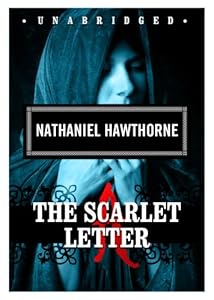
The Scarlet Letter
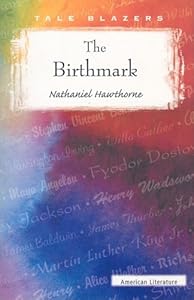
The Birthmark (Tale Blazers)
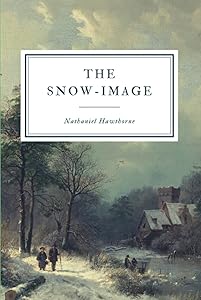
The Snow-Image: and Other Twice-Told Tales
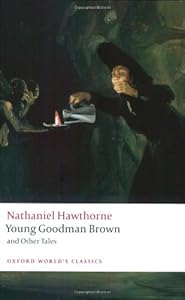
Young Goodman Brown and Other Tales
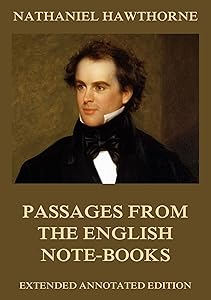
Passages from the English Note-Books
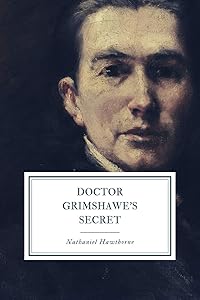
Doctor Grimshawe’s Secret
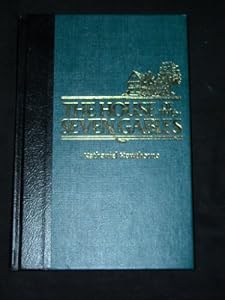
The House of the Seven Gables: A Romance (The World's Best Reading)
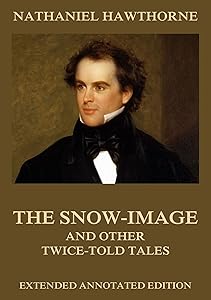
The Snow-Image, And Other Twice-Told Tales
The Old Manse (From "Mosses from an Old Manse")

Oxford Bookworms Library: The Scarlet Letter: Level 4: 1400-Word Vocabulary
The Scarlet Letter (The World's Best Reading)
The Marble Faun: Or, The Romance of Monte Beni
The Ambitious Guest
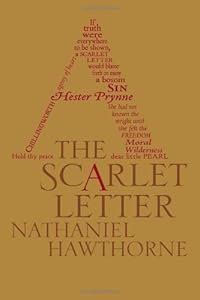
The Scarlet Letter
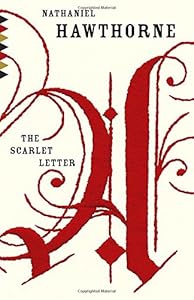
The Scarlet Letter: A Romance
The House of the Seven Gables
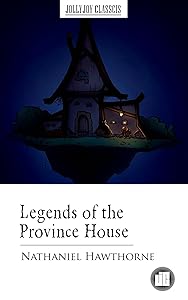
Legends of the Province House
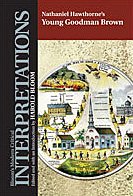
Young Goodman Brown (Bloom's Modern Critical Interpretations)
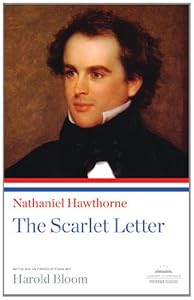
The Scarlet Letter
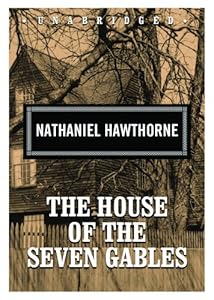
The House of the Seven Gables