Harold Bloom
Harold Bloom (1930–2019) was an American literary critic and Sterling Professor of Humanities at Yale University, renowned for his innovative theories on literary influence, the Western canon, and Shakespeare. He authored over 50 books, including The Anxiety of Influence (1973), The Western Canon (1994), and Shakespeare: The Invention of the Human (1998), and was considered one of the most influential critics of his time.
Literary Criticism
Humanities
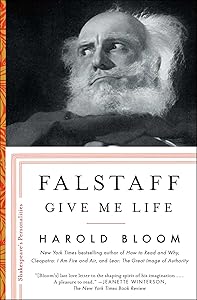
Falstaff: Give Me Life (Shakespeare's Personalities Book 1)
Jesus and Yahweh

King Lear (Bloom's Shakespeare Through the Ages)
Ernest Hemingway (Bloom's Modern Critical Views)

Harper Lee's to Kill a Mockingbird (Bloom's Notes)
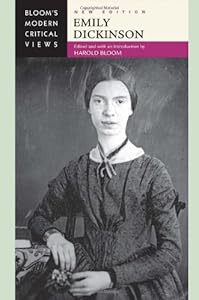
Emily Dickinson (Bloom's Modern Critical Views)
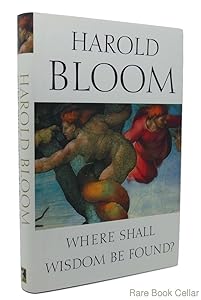
Where Shall Wisdom Be Found?

Anthony Burgess (Bloom's Modern Critical Views)
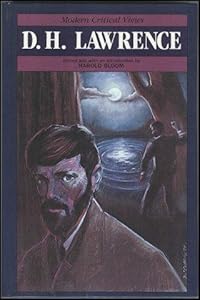
D.H. Lawrence (Bloom's Modern Critical Views)
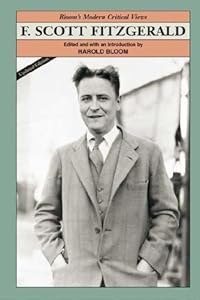
F. Scott Fitzgerald (Bloom's Modern Critical Views)
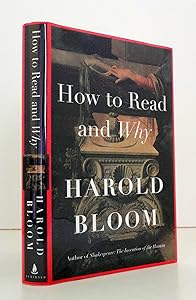
How To Read and Why
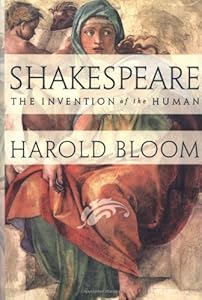
Shakespeare: The Invention of the Human

F. Scott Fitzgerald's the Great Gatsby: Bloom's Notes
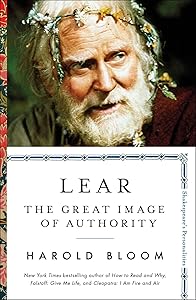
Lear: The Great Image of Authority (3) (Shakespeare's Personalities)
Aeneid (Bloom's Notes)
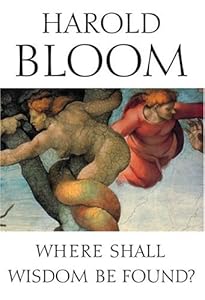
Where Shall Wisdom Be Found?
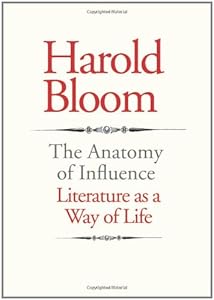
The Anatomy of Influence: Literature as a Way of Life
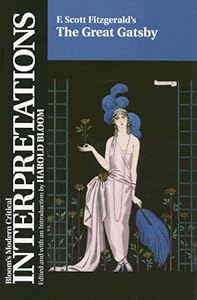
The Great Gatsby (Bloom's Modern Critical Interpretations)
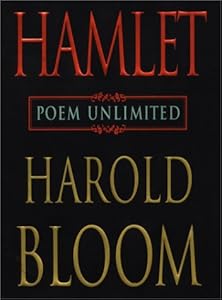
Hamlet: Poem Unlimited
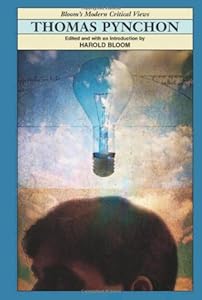
Thomas Pynchon (Bloom's Modern Critical Views)
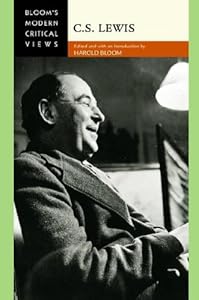
C. S. Lewis (Bloom's Modern Critical Views)
A Tale of Two Cities (Bloom's Guides)
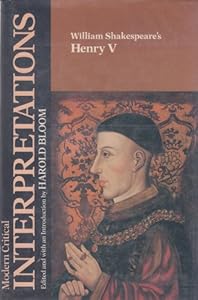
William Shakespeare's Henry V (Bloom's Modern Critical Interpretations)
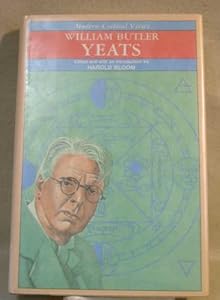
William Butler Yeats (Bloom's Modern Critical Views)