Aristotle
Aristotle (384–322 BC) was an ancient Greek philosopher, polymath, and scientist born in Stagira, Chalcidice, Greece, whose father Nicomachus served as physician to the Macedonian king.[1][2] He studied at Plato's Academy in Athens for about 20 years, tutored Alexander the Great, and founded the Peripatetic school at the Lyceum, producing influential works in philosophy, natural sciences, ethics, politics, and more.[1][2][3]
Stagira, Chalcidice, Greece
Wikipedia
Philosophy
Science
Ethics
Politics
Aristotle's Treatise On Rhetoric: Literally Translated With Hobbes' Analysis, Examination Questions, and an Appendix Containing the Greek Definitions
Metaphysics: Bks. 1-9 (Loeb Classical Library)
The Nicomachean Ethics (Penguin Classics)
The Basic Works of Aristotle
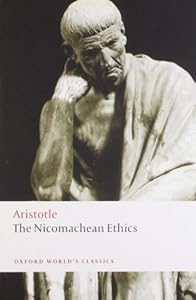
The Nicomachean Ethics (Oxford World's Classics)
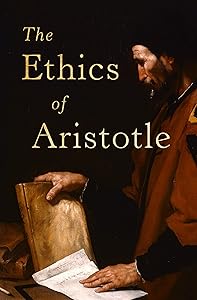
The Ethics of Aristotle
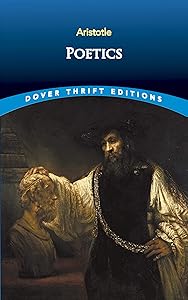
Poetics (Dover Thrift Editions: Philosophy)
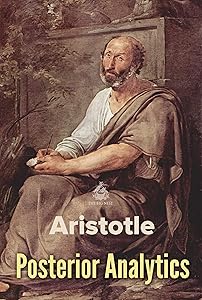
Posterior Analytics (World Classics)
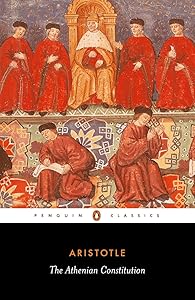
The Athenian Constitution (The Penguin classics)
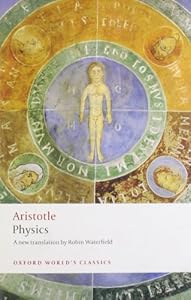
Physics (Oxford World's Classics)
The Complete Works of Aristotle: The Revised Oxford Translation
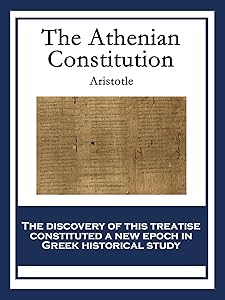
The Athenian Constitution
On the Heavens: Exploring Celestial Mysteries and Cosmic Order
Poetics
On the Soul and On Memory and Recollection
Aristotle's On the Soul
Aristotle's Poetics
On Sense and the Sensible: Exploring Perception and the Human Mind in Ancient Philosophy
De Partibus Animalium I and De Generatione Animalium I (With Passages from II.1-3
Aristotle's Criticisms of Plato
Aristotle on the Constitution of Athens
Politics
Metaphysics (Clarendon Aristotle Series)
The Politics And Economics Of Aristotle