Anonymous
Anonymous is a pseudonym used by authors throughout history who chose not to reveal their true identities, often due to social norms, privacy concerns, or the perceived low status of certain genres like the novel. In the 18th century, over 80 percent of novels published in Britain were anonymous, with notable examples including works by Daniel Defoe, Samuel Richardson, Laurence Sterne, Tobias Smollett, and Fanny Burney. This tradition of anonymity persists in various forms, from ancient writings to modern memoirs published under pen names.[1][5]
Fiction
Memoir
This is Florida Presbyterian College, 1961-1962; v.2, no. 9 1960
A Genealogical History of the Ficklin Family, From the First of the Name in America to the Present Time, With Some Account of the Family in England

Studies on Voltaire and the Eighteenth Century; 36
Art Work of York, Harrisburg and Lancaster, Published in Nine Parts; 1
Anderson College Bulletin; 1948-1950 (vol. 24, no. 1)
Mathews' Medical Quarterly; 3, (1896)
The Canning Trade 1934-01-08: Vol 56 Iss 22; 56
Film Review
The Medinian 1927
The Chouans: A Passion in the Desert
Memoirs of John Quincy Adams: Comprising Portions of His Diary From 1795 to 1848; Volume 2
The Young Catholic's Illustrated Speller
Punjab Disturbances, April 1919; Compiled From the Civil and Military Gazette; Volume 1

Edinburgh Medical and Surgical Journal; Volume 31
Brother and Sister, Sonnets
The History of Darke County, Ohio: Containing a History of the County; Its Cities, Towns, Etc.; General and Local Statistics; Portraits of Early ... History of Ohio, Map of Darke County, Etc
Steam Boilers: Feed-water Heaters
Memoirs of John Quincy Adams: Comprising Portions of His Diary From 1795 to 1848; Volume 2
Sentinel of the Blessed Sacrament
FEMALE AEGIS THE DUTIES (The Feminist controversy in England)
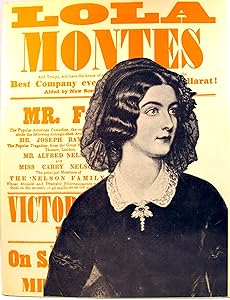
Lola Montes: The tragic story of a liberated woman
Growing Little Helpers
God's Universal Goodness Displayed
Mysteries of the Rosy Cross: The History of that Curious Sect of the Middle Ages Known As The Rosicrucians