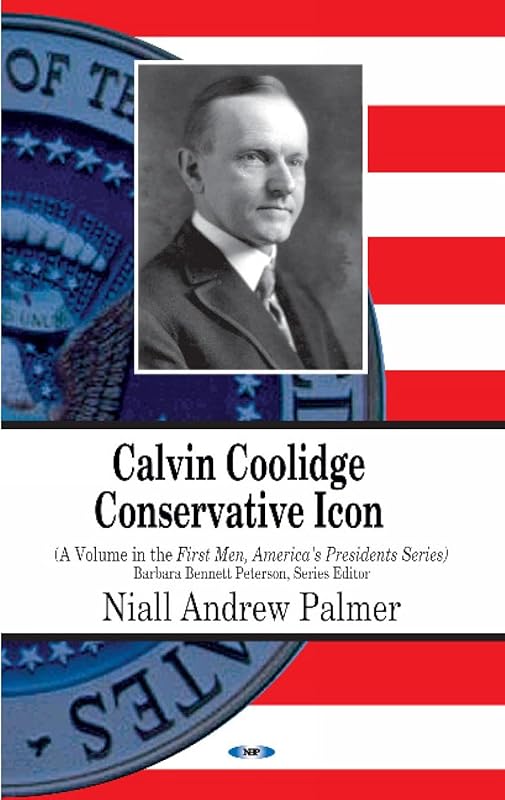
Calvin Coolidge was one of Americas most unusual presidents. Selected as vice president by rebellious convention delegates and thrust unexpectedly into the presidency on the death of his predecessor, he nonetheless imprinted his authority on both party and country. Like Dwight Eisenhower, Ronald Reagan and Bill Clinton, he came to personify not just an administration but a social and political era. Although historians still dispute his legacy, the thirtieth presidents image remains both distinctive and enduring. This is partly because Coolidge was a walking contradiction of his times. He had little of the charisma deemed essential to political success and was obsessed with fiscal prudence in an age of acquisitiveness and wild financial speculation. His economic views were more suited to a nineteenth century agrarian nation than to an emerging industrial capitalist giant.