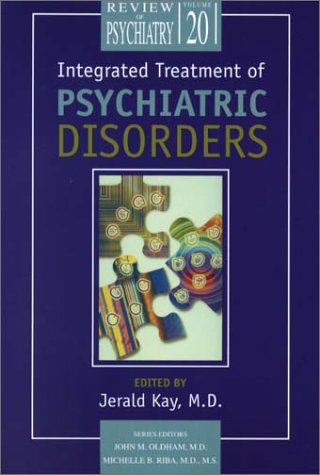
Integrated Treatment for Psychiatric Disorders (Review of Psychiatry) by Jerald Kay

Integrated Treatment for Psychiatric Disorders (Review of Psychiatry)

Jerald Kay
208 pages
Amer Psychiatric Pub Inc
Jan 2001
1st Edition
Psychology & Philosophy WSBN
0
Readers
0
Reviews
0
Discussions
0
Quotes
More than any other professional activity, integrated treatment -- the simultaneous use of psychotherapy and pharmacotherapy to treat patients with mental disorders -- defines the field of psychiatry and distinguishes it from other mental health disciplines and medical specialties. This volume represents cutting-edge discussions -- including frequent use of clinical vignettes by skilled and senior clinicians -- of the clinical indications, challenges, and approaches of this most common type of psychiatric intervention.Beginning with an overview of the scientific literature supporting integrated treatment, including a fascinating discussion on how patients attribute meanings to medications and how these meanings affect treatment compliance, subsequent chapters address these topics: Theoretical support for integrative treatment -- despite a legacy of conflict about the combined use of psychodynamic psychotherapy and medication. Suggests that practitioners move away from dualistic thinking by focusing on the neurobiological aspects of psychotherapy and explores the concept of sequential treatment.Techniques for providing integrative treatment for patients with borderline personality disorder -- especially timely in light of the soon-to-be-adopted APA Guideline on the treatment of this disorder, which specifically advocates integrated treatment.Techniques for providing integrative treatment for patients with substance abuse disorder -- an area marked by intense controversy between physicians and nonmedical addiction therapists about the appropriate role of medications. Reviews three leading psychotherapies -- twelve-step facilitation, motivational enhancement therapy, and relapse prevention -- and discusses 11 important goals in the use of psychotherapy for opioid, nicotine, alcohol, and cocaine addictions.Methods for enhancing patient compliance and adherence -- since more than 50% of patients fail to follow medication instructions. Provides clear techniques for effective intervention through cognitive therapy.The benefits and challenges of split treatment -- in which the psychiatrist manages patient medication and another mental health professional conducts psychotherapy -- using clinical vignettes to demonstrate practical and effective interventions. This increasingly common arrangement is favored by managed care organizations, which perceive it as more cost effective, despite scientific evidence to the contrary.Enhanced by charts, graphs, and illustrations, this up-to-date review will find a broad audience among psychiatric practitioners and residents, psychologists, social workers, nurse practitioners, substance abuse counselors, and case managers in community psychiatry. By offering the very latest in its field, this comprehensive volume will also prove especially valuable to students of cognitive behavioral therapy and psychopharmacology.
Join the conversation

No discussions yet. Join BookLovers to start a discussion about this book!

No reviews yet. Join BookLovers to write the first review!

No quotes shared yet. Join BookLovers to share your favorite quotes!

Earn Points
Your voice matters. Every comment, review, and quote earns you reward points redeemable for Bitcoin.
Comment +5 pts Review +20 pts Quote +7 pts Upvote +1 pt
BookMatch Quiz
Find books similar to this one
About this book
Pages 208
Publisher Amer Psychiatric Pub...
Published 2001
Readers 0