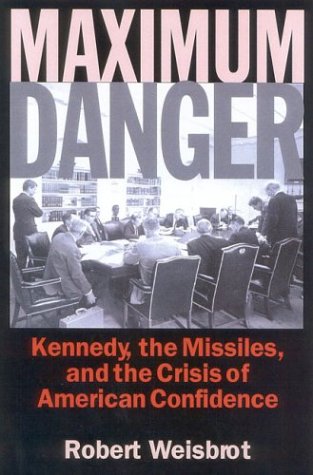
Maximum Danger: Kennedy, the Missiles, and the Crisis of American Confidence by Robert Weisbrot

Maximum Danger: Kennedy, the Missiles, and the Crisis of American Confidence

Robert Weisbrot
288 pages
Ivan R. Dee
Oct 2001
Hardcover
WSBN
0
Readers
0
Reviews
0
Discussions
0
Quotes
In the early 1960s, as a youthful President Kennedy entered the White House, Americans braced for a period of "maximum danger" from the Soviet Union. This nearly universal alarm sprang from rising Soviet missile strength, Communist challenges around the world, and the shoe-thumping bluster of Premier Nikita Khrushchev. Yet popular fears also fed on exaggerated estimates of Russian military prowess, global ambitions, and readiness to risk or even begin a nuclear war. The Cuban missile crisis of 1962, the gravest collision of the cold war, occurred as these alarms were sounding loudest, generating pressures for bolder action to blunt Soviet advances. Historians and other observers persist in explaining President Kennedy's handling of the missile crisis in merely personal terms, as revealing either unique valor and resourcefulness or reckless machismo.
Join the conversation

No discussions yet. Join BookLovers to start a discussion about this book!

No reviews yet. Join BookLovers to write the first review!

No quotes shared yet. Join BookLovers to share your favorite quotes!

Earn Points
Your voice matters. Every comment, review, and quote earns you reward points redeemable for Bitcoin.
Comment +5 pts Review +20 pts Quote +7 pts Upvote +1 pt
BookMatch Quiz
Find books similar to this one
About this book
Pages 288
Publisher Ivan R. Dee
Published 2001
Readers 0