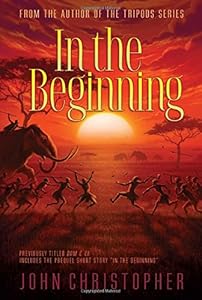
The story of The Tripods was the basis of a popular BBC television series in the 1980s, in which humanity has been conquered and enslaved by "the tripods", unseen alien entities that travel about in gigantic three-legged walking machines. Humans are controlled from the age of 14 by implants called "caps", which suppress curiosity and creativity and leave recipients placid and docile, incapable of dissent.
In this first instalment of the classic book that inspired the series, 14-year-old Laurie and his family attempt to flee England when the Tripods descend from outer space.
Read more FROM PUBLISHERS WEEKLY
The initial Tripod invasion of Earth seems laughable: armed forces overwhelm two of the giant attackers, and the third simply self-destructs. But when TV stations all over the world begin to broadcast the Trippy Show, the fanscalled Trippiesare hypnotized and flock to Trippy communes. By the time the second Tripod invasion begins, the Trippies greet the aliens as saviors and eagerly don the brainwashing caps provided them. Realizing that they can no longer stay in England and remain uncapped, Laurie and his family journey to Switzerland. When Switzerland falls under the Tripods' spell, Laurie, accompanied by two other boys, flees with his family to a remote spot in the Alps. The small band resolves to devote their lives to fighting the Tripods and thus form the core of the resistance movement that figures in the author's Tripods trilogy. Like those books, this fast-paced adventure explores serious issues of freedom and morality, creating a welcome prequel to the series. Ages 9-14.
Copyright 1988 Reed Business Information, Inc. ABOUT THE AUTHOR
John Christopher was the pseudonym of Samuel Youd, who was born in Lancashire, England, in 1922. He was the author of more than fifty novels and novellas, as well as numerous short stories. His most famous books include The Death of Grass, the Tripods trilogy, The Lotus Caves, and The Guardians. EXCERPT. REPRINTED BY PERMISSION. ALL RIGHTS RESERVED.
When the Tripods Came
Read more