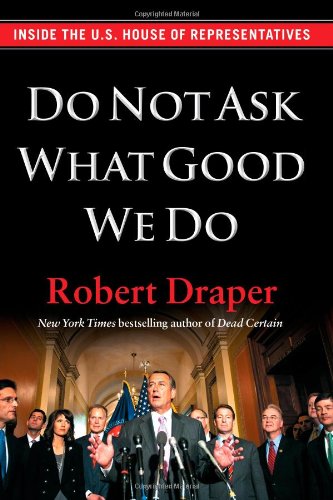
The U.S. House of Representatives—a large, often unruly body of men and women elected every other year from 435 distinct microcosms of America—has achieved renown as “the people’s House,” the world’s most democratic institution, and an acute Rorschach of biennial public passions. In the midterm election year 2010, recession-battered Americans expressed their discontent with a simultaneously overreaching and underperforming government by turning the formerly Democratically controlled House over to the Republicans. Among the new GOP majority were eighty-seven freshmen, many of them political novices with Tea Party backing who pledged a more open, responsive, and fiscally thrifty House. What the 112th Congress instead achieved was a public standing so low—a ghastly 9 percent approval rating— that, as its longest-serving member, John Dingell, would dryly remark, “I think pedophiles would do better.