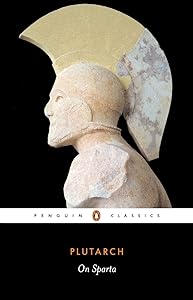
Plutarch's Lives of Illustrious Men (1876) by Plutarch

Plutarch's Lives of Illustrious Men (1876)

Plutarch
800 pages
Kessinger Publishing
Hardcover
History WSBN
1
Readers
0
Reviews
0
Discussions
1
Quotes
Plutarch's Lives Of Illustrious Men is a historical biographical work written by the ancient Greek historian Plutarch in the 1st century AD. The book contains a collection of 46 biographies of famous Greek and Roman figures, including Alexander the Great, Julius Caesar, and Cicero. Each biography provides a detailed account of the individual's life, accomplishments, and character, as well as their impact on history and society. Plutarch draws on a variety of sources, including personal accounts, historical records, and legends, to create a vivid portrait of each figure. The book is divided into two parts: the first contains the biographies of Greek figures, while the second focuses on Roman figures. Plutarch also includes comparisons between individuals who lived at the same time or had similar accomplishments, highlighting their similarities and differences. First published in 1876, this edition of Plutarch's Lives Of Illustrious Men is a translation by John Dryden and revised by Arthur Hugh Clough. It remains a valuable resource for anyone interested in ancient history and the lives of famous figures from the classical world.This scarce antiquarian book is a facsimile reprint of the old original and may contain some imperfections such as library marks and notations. Because we believe this work is culturally important, we have made it available as part of our commitment for protecting, preserving, and promoting the world's literature in affordable, high quality, modern editions, that are true to their original work.
Join the conversation

No discussions yet. Join BookLovers to start a discussion about this book!

No reviews yet. Join BookLovers to write the first review!

Agreeable to this is the law that the bride and bridegroom shall be shut into a chamber, and eat a quince together; and that the husband of an heiress shall consort with her thrice a month; for though there be no children, yet it is an honor and due affection which an husband ought to pay to a virtuous, chaste wife; it takes off all petty differences, and will not permit their little quarrels to proceed to rupture.” (Solon)
Page 63
Earn Points
Your voice matters. Every comment, review, and quote earns you reward points redeemable for Bitcoin.
Comment +5 pts Review +20 pts Quote +7 pts Upvote +1 pt
BookMatch Quiz
Find books similar to this one
About this book
Pages 800
Publisher Kessinger Publishing
Readers 1