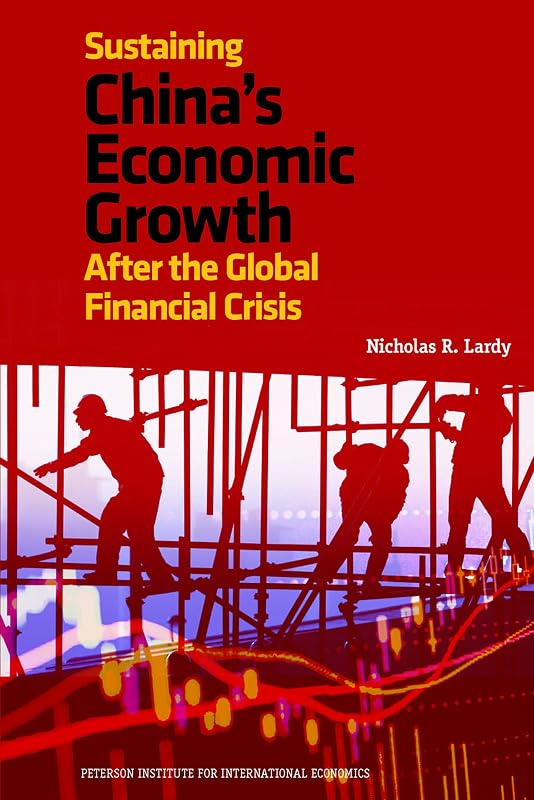
Sustaining China's Economic Growth: After the Global Financial Crisis (Peterson Institute for International Economics - Publication) by Nicholas R. Lardy

Sustaining China's Economic Growth: After the Global Financial Crisis (Peterson Institute for International Economics - Publication)

Nicholas R. Lardy
193 pages
Peterson Institute for International Economics
Dec 2011
Paperback
Business & Investing WSBN
0
Readers
0
Reviews
0
Discussions
0
Quotes

Free account. We’ll keep this book ready while you join.

Find a copy

Formats and availability vary by store. As an Amazon Associate I earn from qualifying purchases.

The global financial crisis and ensuing economic downturn has raised many questions concerning the future of global economic growth. Prior to the financial crisis, global growth was characterized by growing imbalances, reflected primarily in large trade surpluses in China, Japan, Germany, and the oil exporting countries and rapidly growing deficits, primarily in the United States. The global crisis raises the question of whether the previous growth model of low consumption, high saving countries such as China is obsolete. Although a strong and rapid policy response beginning in the early fall of 2008 made China the first globally significant economy to come off the bottom and begin to grow more rapidly, critics charged that China's recovery was based on the old growth model, relying primarily on burgeoning investment in the short run and the expectation of a revival of expanding net exports once global recovery gained traction. Critics, however, argued that as government-financed investment inevitably tapered off, the likelihood was that global recovery would not be sufficiently strong for China's exports to resume their former role as a major contributor to China's economic expansion. The prospect, in the eyes of these critics, is that China's growth will inevitably falter.. This study examines China's response to the global crisis, the prospects for altering the model of economic growth that dominated the first decade of this century, and the implications for the United States and the global economy of successful Chinese rebalancing. On the first it analyzes the strengths and weaknesses of China's stimulus program. On the second it analyzes the nature of origins of the imbalances in China's economy and the array of policy options that the government has to transition to more consumption-driven growth. On the third successful rebalancing would mean that more rapid growth of consumption would offset the drag on growth from a shrinkage of China's external surplus. Successful rebalancing would mean China would no longer be a source of financing for any ongoing US external deficit. From a global perspective China would no longer be a source of the global economic imbalances that contributed to the recent global financial crisis and great recession.
Join the conversation

No discussions yet. Join BookLovers to start a discussion about this book!

No reviews yet. Join BookLovers to write the first review!

No quotes shared yet. Join BookLovers to share your favorite quotes!

Earn Points
Your voice matters. Every comment, review, and quote earns you reward points redeemable for Bitcoin.
Comment +5 pts Review +20 pts Quote +7 pts Upvote +1 pt
Similar Books
Find books similar to this one
About this book
Pages 193
Publisher Peterson Institute f...
Published 2011
Readers 0