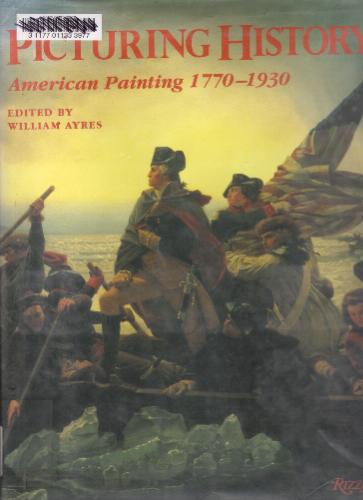
Today the sometimes-tired icons of American History painting raise serious questions of democracy's contradictions. Twelve art scholars have contributed essays to this work offering a refreshing examination of everything from Leutze's "Washington Crossing the Delaware" and Rothermel's "The Landing of the Pilgrims at Plymouth Rock" to Judy Chicago's "Dinner Party." They discuss the origins of the genre in Masaccio, Poussin, and David, before focusing on depictions of America's colonial period, the fight for independence, the Mexican and Civil wars, expansion, and the genre's demise with the coming of modernism in the 1930s. Throughout, the book shows the discrepancies between the democratic ideals expressed by the painters and social reality--though the book does not ignore the exceptions, like David Gilmour Blythe's themes of racism and political injustice in his mid-19th-century paintings.