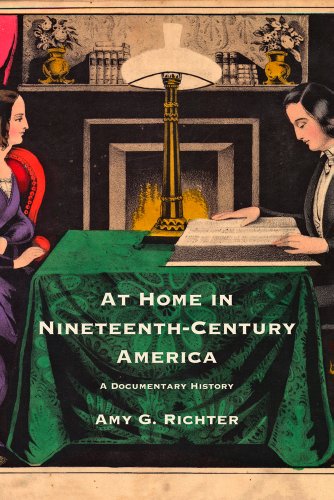
Few institutions were as central to nineteenth-century American culture as the home. Emerging in the 1820s as a sentimental space apart from the public world of commerce and politics, the Victorian home transcended its initial association with the private lives of the white, native-born bourgeoisie to cross lines of race, ethnicity, class, and region. Throughout the nineteenth century, home was celebrated as a moral force, domesticity moved freely into the worlds of politics and reform, and home and marketplace repeatedly remade each other. At Home in Nineteenth-Century America draws upon advice manuals, architectural designs, personal accounts, popular fiction, advertising images, and reform literature to revisit the variety of places Americans called home.