- Introductions provide contexts
- Annotated tables of contents
- Chronologies
- Bibliographies for further research
- Indexes Read more Continue reading Read less FROM SCHOOL LIBRARY JOURNAL
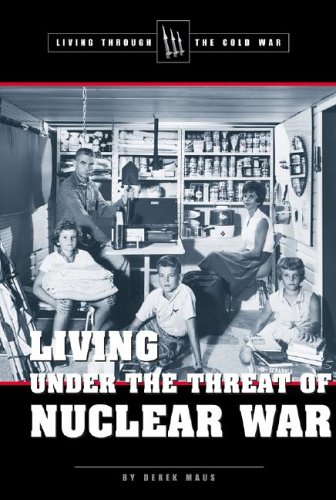
Grade 7-10-An introduction provides an overview of the rise and fall of the Soviet Union and the significant events in the development of nuclear weapons by both Russia and the U.S. The first part of the book offers excerpts from public statements and speeches by prominent officials such as Presidents Harry S. Truman, John F. Kennedy, and Ronald Reagan, and Soviet leader Mikhail Gorbachev. The following section discusses ways that the American public and the media dealt with the constant threat of nuclear war. Selections from antinuclear-proliferation activists, Albert Einstein, John Paul II, and Carl Sagan and Richard Turco's description of nuclear winter follow. The annotated bibliography contains astute selections. A few black-and-white photographs of bomb shelters, peace demonstrations, and Hiroshima's destruction, and a map of European countries under Soviet rule at the height of the Cold War provide glimpses of a world now greatly changed. A much more detailed analysis of the political complexities of that tense time can be found in James A. Warren's Cold War (Lothrop, 1996) . Britta Bjornlund's The Cold War (Gale, 2002) presents a thorough description of the history of this era in a heavily illustrated package, but without attention to the effects of the time on ordinary Americans.-Ann G. Brouse, Steele Memorial Library, Elmira, NY
Copyright Reed Business Information, a division of Reed Elsevier Inc. All rights reserved. Read more Continue reading Read less