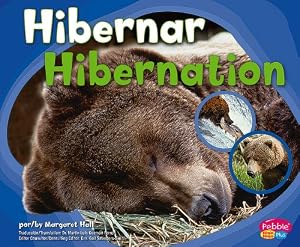
Hibernation (Pebble Plus) by Hall

Hibernation (Pebble Plus)

Hall
24 pages
Capstone Press
Sep 2006
Library Binding
All Children WSBN
0
Readers
0
Reviews
0
Discussions
0
Quotes
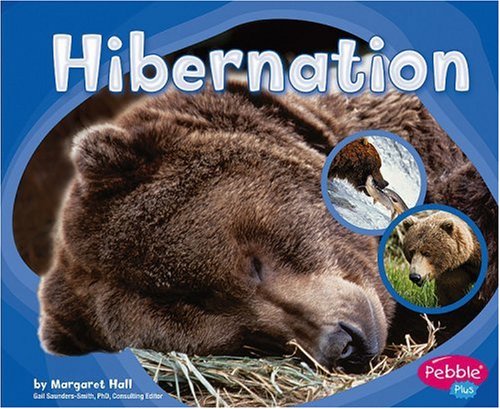
Review The Patterns in Nature series provides developmentally appropriate science content to beginning readers. Each book has a simplified table of contents, with understandable chapter headings, which encourages application of pre-reading strategies. The index makes topical information accessible. Each book contains a glossary, additional text suggestions, and internet resources. Photographs and illustrations aid comprehension and encourage further reading. Why hibernate? Readers discover that bears and other hibernators store up food for fat, while other animals sleep for weeks without eating at all. Chipmunks store food in winter beds, while groundhogs make comfortable burrows. Spring beckons hibernators like snakes from their caves and squirrels from their nests in search of food. The seasonal patterns provide interesting illustrations of science content for young children. --NSTA Recommends, January 2007Brilliant and interesting photographs, easily understood diagrams and a short, informative text are the highlights of this Patterns in Nature series, which features titles on day and night, hibernation, phases of the moon and seasons of the year. Children will indeed choose this book by its cover: it depicts a huge brown bear sound asleep, eating grass and grabbing a fish from the river. In answer to the question on the first page, why hibernate? we see a picture of splotches of snow stuck to a bear surrounded by snow. Food is hard to find. We see tiny animals hibernating also, including clusters of bats that don t even go to the bathroom. Getting ready to hibernate means getting fat on fish (bears), filling a burrow with acorns (chipmunks), or digging a warm hole in the mud (frogs). Each title features a pattern diagram on the last page--in this case getting ready, finding a den, hibernating, and leaving the den. Hibernating is one of nature s patterns. Children can see the principle and learn the words that explain that principle. There is a very short index, a glossary, a list of additional books, and a reference to the Facthoundweb site with links to age-appropriate sites for each book. This is an outstanding series of concept books for new and pre-readers; the photographs make the book interesting enough to use with older children who struggle with reading and concepts. --Childrens Literature Comprehensive Database, January 2007For classrooms doing seasonal studies, this book offers great close-up shots of animals in their dens, but settling in for a long winters nap is a lot more work than youd think, and this slim volume explains the hibernation cycle, along with resources for further reading and online research with Fact Hound, Capstones own cartoon icon for active learning. --Smart Writers Journal, October 2006 --This text refers to the
Join the conversation

No discussions yet. Join BookLovers to start a discussion about this book!

No reviews yet. Join BookLovers to write the first review!

No quotes shared yet. Join BookLovers to share your favorite quotes!

Earn Points
Your voice matters. Every comment, review, and quote earns you reward points redeemable for Bitcoin.
Comment +5 pts Review +20 pts Quote +7 pts Upvote +1 pt
BookMatch Quiz
Find books similar to this one
About this book
Pages 24
Publisher Capstone Press
Published 2006
Readers 0