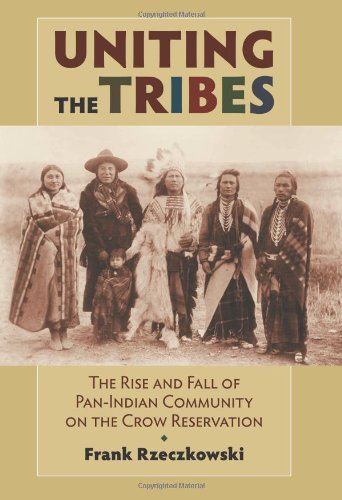
Native American reservations on the Northern Plains were designed like islands, intended to prevent contact or communication between various Native peoples. For this reason, they seem unlikely sources for a sense of pan-Indian community in the late-nineteenth and early-twentieth centuries. But as Frank Rzeczkowski shows, the flexible nature of tribalism as it already existed on the Plains subverted these goals and enabled the emergence of a collective "Indian" identity even amidst the restrictiveness of reservation life. Rather than dividing people, tribalism on the Northern Plains actually served to bring Indians of diverse origins together. Tracing the development of pan-Indian identity among once-warring peoples, Rzeczkowski seeks to shift scholars' attention from cities and boarding schools to the reservations themselves.