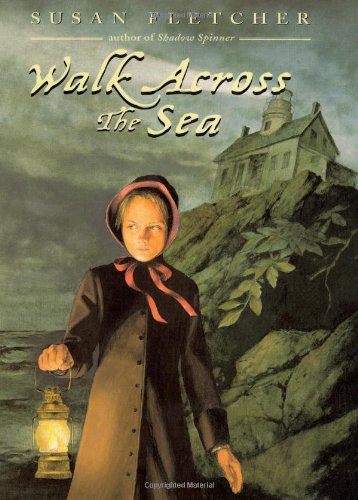
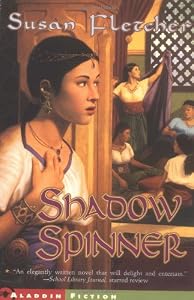
From Publishers Weekly "Truth is a powerful thing. Sometimes it purely cries out to be told," muses 15-year-old Eliza Jane McCully, the narrator of Fletcher's (Shadow Spinner) eye-opening tale set in the late 1880s, when Chinese immigrant workers were expelled from Crescent City, Calif. The heroine lives with her parents in a lighthouse, where she appreciates the natural world around her and embraces the responsibilities she shares in caring for the beacon. When a boy named Wah Chung saves Eliza Jane from a wave, she's forced to examine the prejudice that her father and others voice toward the Chinese ("They're heathens, Eliza Jane. They contaminate us all just by being near," says her father) and decide the truth for herself. Her discussions with Dr. Wilton (her mother's doctor) on religious matters are especially illuminating. However, the Chinese characters remain two-dimensional; readers will likely come away with no greater appreciation of the depth of the Chinese culture or their struggle to assimilate. But other challenges arise that may well strike a resonant chord with readers, including Mrs. McCully's miscarriage, Eliza Jane's run-in with school bullies and growing estrangement from her father. In a bittersweet ending, the heroine finds her voice and the power that resides in telling the truth, but her bravery is not without consequences (her family is evicted for harboring Wah Chung during a storm). This spirited heroine's wryly humorous voice emerges as the novel's greatest strength. Ages 10-14. Copyright 2001 Cahners Business Information, Inc. From School Library Journal Gr 5-9-Eliza Jane McCully's father maintains a lighthouse perched on a picturesque island along the coast of northern California in 1886. Twice a day, the tide withdraws, leaving a rocky isthmus between the island and the mainland. The 13-year-old loves to observe the delicate creatures collected in the tide pools, for just a few hours before the sea covers them again. She is always aware of her father's admonition about unpredictable "sneaker waves," and is nearly claimed by one as she and her balking goat attempt to return home one day. They are rescued by a Chinese boy with whom Eliza feels an immediate spiritual connection, prompting her to question her father's beliefs that the immigrants are godless heathens and opportunists who take jobs away from the townspeople. She becomes an outspoken advocate for the Chinese a month later when she wanders into a shantytown and witnesses an old man (who turns out to be her rescuer's grandfather) being threatened and bullied. In ensuing days, anti-Chinese sentiment escalates, with vigilantes forcing the immigrants from their homes at gunpoint. Eliza harbors Wah Chung until her secret is exposed, and then pleads that he not be handed over to authorities who are likely to expel or harm him. Eliza challenges her father and her community to live up to their Christian values by protecting the boy. This is a gripping and complex story, and Fletcher's lyrical depiction of 19th-century life, her exceptionally well-drawn protagonist, and her deft analysis of racial discrimination make the book even more powerful.