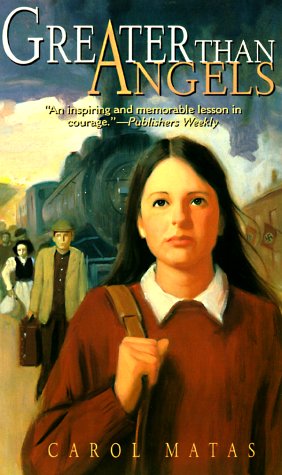
From Publishers Weekly Deported from Germany to Vichy France during WWII, Anna is sent to Le Chambon, a refuge for Jews. PW called it "an inspiring and memorable lesson in courage." Ages 9-12. (Nov.) Copyright 1999 Reed Business Information, Inc. From School Library Journal Grade 6-8ASet in Vichy, France, this novel covers a section of Europe often overlooked in Holocaust literature. Anna, 13, along with her mother, her aunt, and grandmother, are deported from Germany to Gurs, a refugee camp on the French-Spanish border. The details of the journey and the terrible conditions there are vividly and realistically described. Anna's grandmother dies and the girl's mother and aunt are eventually removed to a concentration camp and never heard from again. Relief workers arrange for Anna and some of the other young people to be sent to the village of Le Chambon where French citizens take them in and allow them to live with some semblance of normalcy. Anna is a strong young woman with a flair for acting and singing and a penchant for telling corny jokes. She and her friends spend long hours discussing the "why" of what is happening to the Jews of Europe, trying to understand a universe in which such evil could exist. A budding romance between Anna and Rudi, a childhood friend, gives a little extra zest to the plot. The French gendarmes who are collaborating with the Nazis provide a sharp contrast to the actions of the local people, who literally risk their lives to help the Jewish children. A map clearly shows the areas where the story takes place. In an afterword, Matas tells of interviews she had with survivors who spent the war years in Le Chambon. This well-researched historical novel will make a good addition to middle-school collections.ABruce Anne Shook, Mendenhall Middle School, Greensboro, NCCopyright 1998 Reed Business Information, Inc. --This text refers to an out of print or unavailable edition of this title.