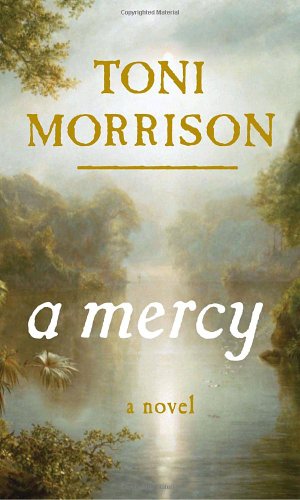
A Mercy by Toni Morrison

A Mercy

Toni Morrison
167 pages
Knopf
Nov 2008
Hardcover
Literature & Fiction WSBN
4
Readers
1
Reviews
0
Discussions
0
Quotes
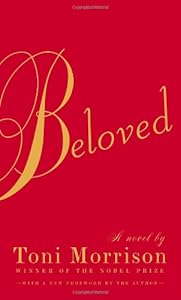
A powerful tragedy distilled into a jewel of a masterpiece by the Nobel Prize-winning author of <i>Beloved</i> and, almost like a prelude to that story, set two centuries earlier.<br><br>In the 1680s the slave trade was still in its infancy. In the Americas, virulent religious and class divisions, prejudice and oppression were rife, providing the fertile soil in which slavery and race hatred were planted and took root.<br><br>Jacob is an Anglo-Dutch trader and adventurer, with a small holding in the harsh north. Despite his distaste for dealing in &quot;flesh,&quot; he takes a small slave girl in part payment for a bad debt from a plantation owner in Catholic Maryland. This is Florens, &quot;with the hands of a slave and the feet of a Portuguese lady.&quot; Florens looks for love, first from Lina, an older servant woman at her new master's house, but later from a handsome blacksmith, an African, never enslaved.<br><br>There are other voices: Lina, whose tribe was decimated by smallpox; their mistress, Rebekka, herself a victim of religious intolerance back in England; Sorrow, a strange girl who's spent her early years at sea; and finally the devastating voice of Florens' mother. These are all men and women inventing themselves in the wilderness.<br><br><i>A Mercy</i> reveals what lies beneath the surface of slavery. But at its heart it is the ambivalent, disturbing story of a mother who casts off her daughter in order to save her, and of a daughter who may never exorcise that abandonment.<br><br>Acts of mercy may have unforeseen consequences.
Join the conversation

No discussions yet. Join BookLovers to start a discussion about this book!

Love, Loss, and a Whole Lot More

By juxtaposing the ideas of abandonment versus love, new life versus death, Toni Morrison takes any stereotype that surrounds slave narrative and throws it out the window, instead delving into the personal side of slavery; even traditional narrative style is denied in favor of rapidly changing narrators. In effect, her most recent novel A Mercy pushes the reader to places he or she may not have been before and forcing him or her to reconsider preconceived notions of gender and what is considered merciful. With a rotating narrator, A Mercy illustrates how an individual's experience shapes the story of the whole. The reader follows the Vaants, a family unified by abandonment. With each new chapter, a different voice tells a different part of the story. With this method, Morrison allows the reader to connect with each character on a more fundamental level, learning what makes each individual different and damaged. When together, the characters work to heal one another, finding, in most cases, the companionship necessary to begin healing in their new family. The patriarch and slave owner, Jacob, trades goods across the north and rum across the ocean. The title of the novel comes from his accepting of a slavegirl, Florens, as partial payment of a debt. Though Vaant sees the act as merciful, Florens can only see her mother's abandonment. As the story progresses, we are introduced to a multitude of characters, including a cast of unique females: Rebekka, Vaant's mail-order bride who has lost every child she birthed, Lina, the sole survivor of a Native American tribe purchased by Vaant to keep Rebekka company, and Sorrow, the daughter of a sea captain and the only survivor after the ship sinks. While Rebekka, Lina and Florens form a group of their own, Sorrow is ostracized for her daftness and bad luck that Lina believes she carries, and yet she finds happiness when alone with her invisible friend, Twin. The modern reader would be able to recognize many of Sorrow's trait...

No quotes shared yet. Join BookLovers to share your favorite quotes!

Earn Points
Your voice matters. Every comment, review, and quote earns you reward points redeemable for Bitcoin.
Comment +5 pts Review +20 pts Quote +7 pts Upvote +1 pt
BookMatch Quiz
Find books similar to this one
About this book
Pages 167
Publisher Knopf
Published 2008
Readers 4