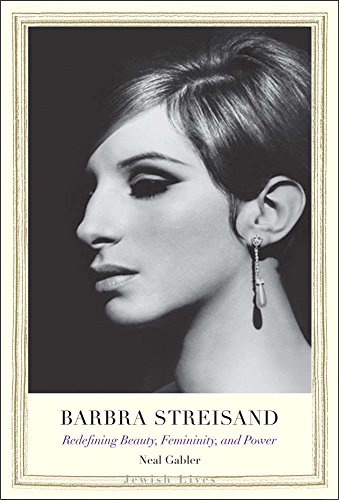
Barbra Streisand has been called the "most successful...talented performer of her generation" by <i>Vanity Fair</i>, and her voice, said pianist Glenn Gould, is "one of the natural wonders of the age." Streisand scaled the heights of entertainment - from a popular vocalist to a first-rank Broadway star in <i>Funny Girl </i>to an Oscar-winning actress to a producer and director. But she has also become a cultural icon who has transcended show business. To achieve her success, Brooklyn-born Streisand had to overcome tremendous odds, not the least of which was her Jewishness. Dismissed, insulted, even reviled when she embarked on a show business career for acting too Jewish and looking too Jewish, she brilliantly converted her Jewishness into a metaphor for outsiderness that would eventually make her the avenger for anyone who felt marginalized and powerless.<br> <br> Neal Gabler examines Streisand's life and career through this prism of otherness - a Jew in a gentile world, a self-proclaimed homely girl in a world of glamour, a kooky girl in a world of convention - and shows how central it was to Streisand's triumph as one of the voices of her age.