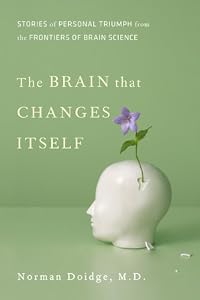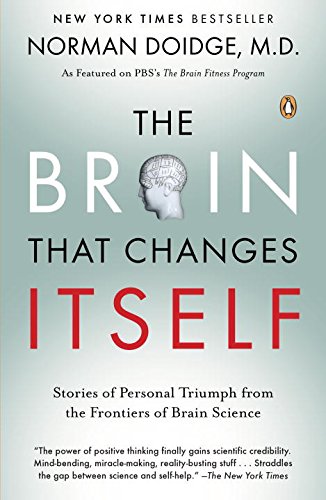
The Brain That Changes Itself: Stories of Personal Triumph from the Frontiers of Brain Science by Norman Doidge

The Brain That Changes Itself: Stories of Personal Triumph from the Frontiers of Brain Science

Norman Doidge
427 pages
Penguin Books
Dec 2007
Psychology & Philosophy WSBN
5
Readers
1
Reviews
0
Discussions
0
Quotes

Free account. We’ll keep this book ready while you join.

Find a copy

Formats and availability vary by store. As an Amazon Associate I earn from qualifying purchases.

An astonishing new science called "neuroplasticity" is overthrowing the centuries-old notion that the human brain is immutable. In this revolutionary look at the brain, psychiatrist and psychoanalyst Norman Doidge, M.D., provides an introduction to both the brilliant scientists championing neuroplasticity and the people whose lives they've transformed. From stroke patients learning to speak again to the remarkable case of a woman born with half a brain that rewired itself to work as a whole, The Brain That Changes Itself will permanently alter the way we look at our brains, human nature, and human potential.
Join the conversation

No discussions yet. Join BookLovers to start a discussion about this book!

A Guided Tour of Neural Plasticity

As the title implies, "The Brain That Changes Itself" is an extensive and thoroughly enjoyable look at the history of neural plasticity, albeit from the point of view of a staunch supporter. I found the book to be very well organized, and Doidge's arguments to be very cohesive. The book chapters are filled mostly with stories and case studies regarding a common theme in the study of neural plasticity. Doidge begins by relating the story of Paul Bach-y-Rita's research and efforts to debunk the widely held localizationist theories of the 20th century. He presents some more dramatic case studies such as Cheryl who used her tongue to learn to stand after a debilitating brain injury or Barbara, a seemingly retarded woman, who ended up with advanced degrees and a successful research career (these stories are every bit as interesting as they sound). Doidge relates again and again how massive and usually debilitating brain injuries were overcome by physical and mental therapies. Following his analysis of catastrophic brain injuries and defects, Doidge gives examples of more everyday plasticity. He relates how common disorders such as autism, ADHD, and dyslexia can be attributed to (often minor) traumas and incidents during the critical childhood period. He talks about several schools which have had great success rehabilitating victims of those and other disorders through concentrated and prolonged efforts to retrain the brain. He also gives examples of how plasticity can affect even our emotions or sexual tastes. In the final chapters, Doidge relates what he calls the "paradox of plasticity." He explains that, while plasticity can be used to treat crippling injuries, it can also be responsible for equally crippling mental disorders such as obsessive compulsive disorder. He explains how rewired neural circuitry can create phantom pain in amputated limbs, reinforce bad habits into addictions, and give rise to compulsive behavior. He further delves into the field of psychoa...

No quotes shared yet. Join BookLovers to share your favorite quotes!

Earn Points
Your voice matters. Every comment, review, and quote earns you reward points redeemable for Bitcoin.
Comment +5 pts Review +20 pts Quote +7 pts Upvote +1 pt
Similar Books
Find books similar to this one
About this book
Pages 427
Publisher Penguin Books
Published 2007
Readers 5